
Loading...
Serving Fayetteville, AR and surrounding areas. (479) 485-4698
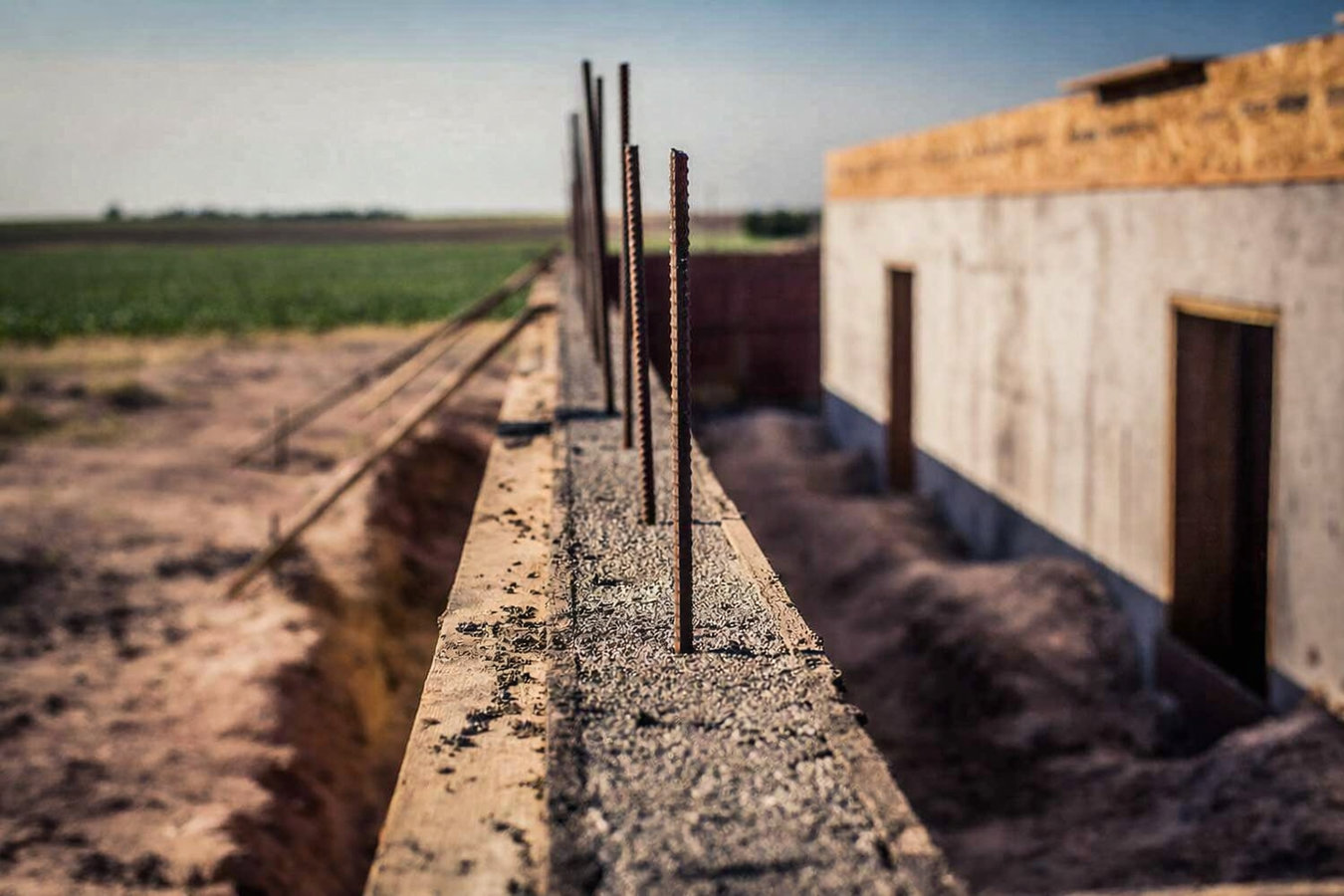
Sunken driveways, tilted stoops, and uneven patios are not just eyesores - they send rainwater toward your foundation and create tripping hazards. We lift and level settled concrete in Fayetteville without tearing it out, for a fraction of the cost of full replacement.
Foundation raising in Fayetteville lifts sunken or uneven concrete slabs back to their original level position by pumping material into the voids that formed underneath - most residential jobs are completed in a single day, and you can walk on the surface the same afternoon. The two main methods are mudjacking, which uses a cement-and-soil slurry, and polyurethane foam injection, which uses an expanding foam that cures faster and leaves smaller holes. Both produce excellent results when the underlying drainage issue is addressed at the same time.
Fayetteville homeowners deal with slab settling more than residents in many other parts of the country, for a straightforward reason: the clay-heavy soil under much of the city swells when it gets wet and shrinks when it dries out, and that cycle repeats every year. Over time, the soil shifts enough to leave voids under driveways, patios, stoops, and garage floors - and the concrete drops into those gaps. If you are also dealing with larger structural issues, we handle slab foundation building for situations where the problem goes beyond lifting what is already there.
The American Concrete Institute recognizes slab lifting as a proven method for restoring settled concrete surfaces - the key is addressing the root cause so the slab does not settle again within a few years.
If you notice a section of driveway, patio, sidewalk, or garage floor that has dropped lower than the surrounding concrete, that is the clearest sign. You might feel a bump when you walk across it, or see a visible lip where one slab has dropped below another. In Fayetteville, this is especially common after a dry summer, when the clay-rich soil has contracted and left a void beneath the slab.
When a slab settles, it can tilt toward your house instead of away from it, causing rainwater to drain toward your foundation rather than away. After a heavy spring rain - and Fayetteville gets plenty of those - check whether water is pooling against your home along a driveway or walkway. That pattern is a sign the concrete has shifted and is now directing water the wrong way.
Small hairline cracks are normal, but cracks that run along the edges of a slab or follow the joints between sections often signal that one side has settled lower than the other. If you can see daylight under the edge of a slab, or a crack has grown noticeably wider over a season, it is time to have a contractor walk the area and assess what is happening underneath.
One of the most common calls in Fayetteville is about front stoops and entry steps that have settled and pulled away from the home's threshold. This gap is not just a tripping hazard - it lets water and pests into the space beneath the slab. If your front step rocks, feels soft underfoot, or has a visible gap where it meets the house, that is a clear signal to call.
We lift settled concrete slabs for Fayetteville homeowners across a full range of surfaces: driveways, patios, garage floors, walkways, front stoops, pool decks, and basement floor sections. Every job starts with a site visit and an honest conversation about what we found under your slab - whether it is a drainage problem, soil contraction from the dry season, or a void left by shifting clay. We use mudjacking or polyurethane foam injection depending on which method gives you the best long-term result for your specific situation. If the underlying drainage problem needs to be corrected at the same time, we factor that into the plan before the lifting begins. When a project also involves new poured concrete work, we coordinate with our concrete cutting crew so both scopes are handled on the same visit.
For situations where raising is not the right answer - a slab that is cracked into multiple pieces, severely deteriorated, or sitting on soil that is too unstable to hold the material in place - we will tell you that directly and explain your options. Sometimes a new slab is the more cost-effective long-term solution, and we would rather say that upfront than have you spend money on a repair that will not hold. Every quote includes a written breakdown of what we recommend and why.
Suited for settled driveway sections and sunken garage floors where the slab is structurally intact but has dropped due to clay soil movement or void formation below.
For outdoor entertaining surfaces that have become uneven or started draining toward the house - we restore level and improve drainage direction in a single visit.
Addresses the most common foundation raising call in Fayetteville - a front stoop or entry step that has settled away from the home's threshold and created a gap or tripping hazard.
For sections of walkway or sidewalk that have dropped or tilted, creating a lip between panels that is a trip hazard and directing water where it should not go.
Fayetteville receives around 47 inches of rain per year, with wet winters and springs followed by hot, dry summers. That seasonal cycle puts the clay-heavy soils in much of Washington County through a repeated swell-and-shrink pattern that almost no concrete slab can fully resist over time. Add in the freeze-thaw events that hit Fayetteville several times each winter - temperatures regularly drop below freezing and then recover within the same week - and the combination of moisture change and temperature cycling creates ideal conditions for slab settling. Homeowners in established neighborhoods like Wilson Park and the Dickson Street corridor, where homes were built in the 1950s through 1970s on soil that was not compacted to modern standards, tend to see this problem earlier and more often than residents in newer subdivisions. That older housing stock is one reason foundation raising calls in Fayetteville are a year-round occurrence rather than a seasonal one.
Rapid infill development near the University of Arkansas campus has also contributed to settling in some adjacent neighborhoods - nearby excavation and utility work can disturb the soil under slabs on neighboring properties. Homeowners in Springdale and Rogers deal with the same Northwest Arkansas clay soil conditions, and we serve both communities with the same same-day service and written estimates that Fayetteville homeowners receive.
When you call, we will ask a few basic questions - what type of surface has settled, roughly how large the area is, and how long you have noticed the problem. We respond to all inquiries within one business day. We schedule a free on-site evaluation rather than quoting over the phone, because the actual slab and soil conditions can only be assessed in person.
We walk the area with you, measure the amount of settling, and probe around the slab edges to check for voids. We also look at your drainage situation - where water flows after a rain - because that often explains why settling happened. You receive a written estimate that explains the recommended method and why, with no pressure to commit on the spot.
The crew drills small holes spaced across the settled area, then pumps the lifting material through those holes until the slab rises back to level. You will hear drilling and pumping equipment. Most residential jobs are completed in a few hours to a full day. You should keep children and pets away from the work area while lifting is in progress.
Once the slab is level, we fill and smooth the drilled holes with a patching compound so they sit flush with the surface. We clean up the work area and walk the finished job with you before leaving. We also give you specific guidance on improving drainage around the repaired area - this is the single most important step in making the results last.
No pressure, no phone quotes. We come to your property, show you what we found, and give you a written number you can compare.
(479) 485-4698Most homeowners who have had slab settling looked at in Fayetteville have never gotten a real explanation of why it happened. We walk you through what we found under your concrete - drainage issue, soil contraction, infill-related disturbance - so you understand what you paid for and what to watch for going forward.
Arkansas requires concrete contractors to hold a license through the Arkansas Contractors Licensing Board before performing work above a certain dollar threshold. You can verify our license number directly on the Board's website in two minutes. That license also means we carry the insurance required to protect you if anything goes wrong during the job.
We know most homeowners cannot take multiple days off work or leave a driveway blocked for a week. The vast majority of our foundation raising jobs in the Fayetteville area are finished the same day the crew arrives, and you can walk on the surface that afternoon. Vehicles can typically go back on a driveway within 24 hours.
Foundation raising costs in Fayetteville vary meaningfully based on how deep the voids are and what condition the soil is in underneath - two factors you cannot assess without being on site. We give every homeowner a written quote after walking the property, so you can compare it fairly against other bids and know exactly what is included.
Fayetteville homeowners dealing with settled slabs have a predictable set of questions: is replacement really necessary, how long will the repair last, and who can I trust to be straight with me about both? Those are the questions we answer on every site visit, before any money changes hands.
When damaged sections of a slab need to be removed cleanly before repair or replacement, precision concrete cutting is the first step.
Learn moreFor situations where a settled slab is too deteriorated to raise, a new slab foundation provides a fresh, properly supported surface.
Learn moreEvery heavy rain that runs toward your foundation instead of away from it adds to the problem. Call us today and we will have a written estimate in your hands within one business day.