Loading...
Serving Fayetteville, AR and surrounding areas. (479) 485-4698
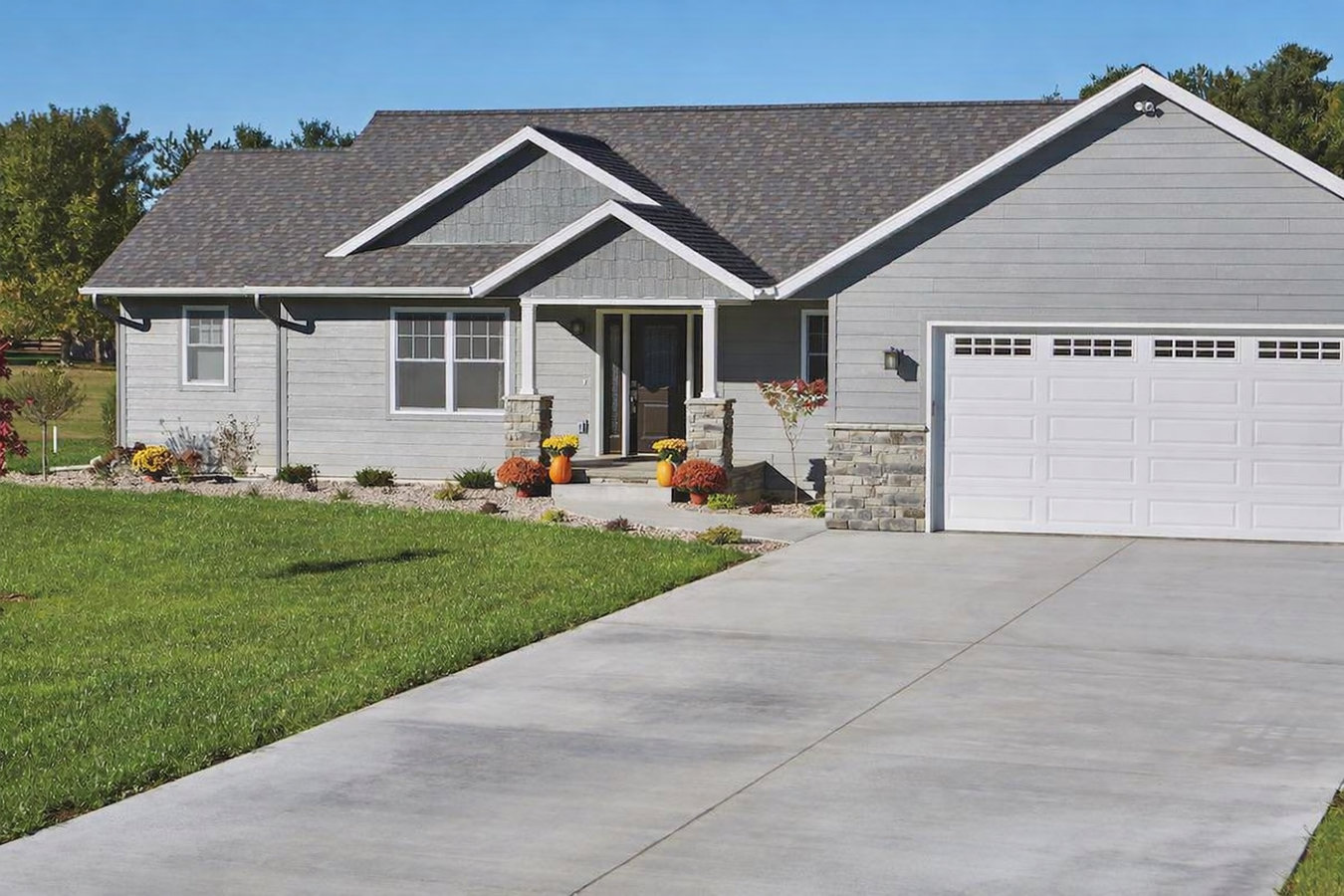
Fayetteville Concrete provides driveways, patios, foundations, and flatwork for homeowners across Fayetteville, AR, with free estimates and a response within one business day.
Fayetteville winters put real stress on driveways - freeze-thaw cycles crack slabs that were not built for local conditions. We pour to the right thickness and use a mix designed for the climate here. If your driveway is cracked, pooling water, or more than 25 years old, see our full concrete driveway building service for details on what the process looks like.
Fayetteville homeowners spend a lot of time outdoors, and the city has over 50 miles of trails that put outdoor living front and center. A concrete patio gives you a durable, low-maintenance surface that holds up through summer heat and winter cold without the upkeep of wood decking.
New construction in Fayetteville's growing south and west-side subdivisions frequently calls for slab foundations. Getting the base preparation right here matters — Fayetteville soil can shift from soft clay to limestone within the same lot, so the crew needs to assess ground conditions before the pour.
Many Fayetteville lots sit on the Ozark foothills, where sloped and wooded terrain is the norm rather than the exception. Concrete retaining walls control erosion on hillside yards and create usable flat space on grades that would otherwise drain poorly or wash out over time.
Sidewalks in older Fayetteville neighborhoods near the university and downtown have taken decades of freeze-thaw damage. We replace cracked and sunken sections to code so you are not liable for a trip hazard in front of your home.
Fayetteville clay soil expands when wet and contracts during dry spells, and that repeated movement pushes foundations up and down over the years. We level and raise settled foundations before the structural shift becomes a bigger repair problem for your home.
Fayetteville sits in the Ozark foothills at about 1,400 feet elevation, which makes it colder than most of Arkansas. Temperatures regularly swing above and below freezing several times in a single January week. Every time that happens, water in your concrete expands, then contracts, widening cracks that seemed minor the season before. A driveway or sidewalk that would last 30 years in Little Rock may start failing in 15 here if it was not mixed and poured with that cycle in mind.
The soil compounds the problem. Fayetteville sits on the edge of the Ozark Plateau, where the ground shifts from expansive clay near the surface to limestone bedrock a few feet down, sometimes within the same yard. That clay holds moisture after Fayetteville's frequent spring rains, then shrinks hard during dry summers. Foundations, retaining walls, and flatwork on clay-heavy lots move constantly unless the base preparation accounts for what is under the surface. Working here without knowing what is underground means estimating blind, which is why every project we quote starts with a site visit, not a phone number.
We pull permits regularly through the City of Fayetteville Development Services office, which means we know the current requirements and how long the process typically takes before a crew can break ground. Driveways connecting to public streets require permits here, and we handle that paperwork so you do not have to.
The housing stock in Fayetteville varies widely from block to block. The craftsman bungalows and wood-frame homes along Leverett Avenue and near the Wilson Park neighborhood were built in the 1940s and 1950s. They sit on foundations that have been through 70 or more years of Arkansas winters, and they need a different approach than the brick-veneer ranch homes in south Fayetteville or the newer slab-on-grade builds going up near Highway 112. We have worked on all of them. From the wooded hillside lots near Lake Leatherwood City Park to the flat subdivisions approaching the edge of town, we know what to expect before the first shovel goes in the ground.
Our sister crew serves Springdale directly to the north, which means scheduling across the metro rarely creates delays for jobs that straddle the city line.
Reach us by phone or through the contact form. We reply within one business day and ask a few basic questions about your project before scheduling the site visit.
We visit your property, look at the ground conditions, check drainage, and measure the work area. Fayetteville soil varies enough that we do not quote without seeing the site first, and we will walk you through the cost breakdown before you commit to anything.
If your project requires a city permit, we file it with the Fayetteville Development Services office and schedule the crew around the approval window. You will know the exact start date before we close out the agreement.
The crew handles demolition, base prep, pour, finishing, and cleanup. Once the concrete has cured, we walk the finished work with you and answer any questions about care in the first few months.
Call us or fill out the form and we will get back to you within one business day. No pressure, no commitment, just a straight answer about what your project needs and what it costs in Fayetteville.
(479) 485-4698Fayetteville is home to the University of Arkansas, which enrolls around 30,000 students and anchors much of the city's economy and character. The city has grown from around 58,000 residents in 2000 to over 93,000 by the early 2020s, making it one of the fastest-growing cities in the state. That growth is reflected in the housing stock, which ranges from 1910s craftsman bungalows near Dickson Street and Wilson Park to brick-veneer ranch homes on the south side to new slab-on-grade subdivisions still going up near the western edge of town.
The older neighborhoods west of campus along Leverett Avenue have deep-rooted community character and homes that need informed, careful concrete work rather than a quick patch. Further out, the subdivisions near Highway 71B and the newer developments approaching Tontitown are filled with homeowners who relocated for work at Walmart, Tyson, or the growing tech sector in the Northwest Arkansas corridor. Nearby Rogers to the north and the Springdale corridor between the two cities are both part of the same metro fabric, and we serve all of it. For more about the city, see the Fayetteville, Arkansas Wikipedia article.
Durable concrete driveways built to withstand heavy use and Arkansas weather.
Learn moreCustom concrete patios designed to extend your outdoor living space beautifully.
Learn moreDecorative stamped concrete that replicates stone, brick, or tile at a lower cost.
Learn moreSafe, smooth concrete sidewalks installed to code for residential and commercial properties.
Learn moreHard-wearing garage floor concrete poured and finished to handle daily vehicle traffic.
Learn moreStained, polished, and textured concrete finishes that enhance any surface.
Learn moreStructurally sound concrete retaining walls that control erosion and grade changes.
Learn moreProfessional concrete floor installation for basements, warehouses, and commercial spaces.
Learn moreSlip-resistant concrete pool decks built for safety, comfort, and curb appeal.
Learn moreSolid concrete steps and stoops constructed with proper slope and safe dimensions.
Learn moreMonolithic and post-tension slab foundations poured with precision and proper reinforcement.
Learn moreFull foundation installation services for new construction residential and commercial builds.
Learn moreHeavy-duty concrete parking lots designed for high traffic and long service life.
Learn moreCorrectly sized and reinforced footings that support decks, additions, and structures.
Learn moreFoundation raising and leveling to correct settling and restore structural integrity.
Learn morePrecise concrete cutting for control joints, utility access, and demolition work.
Learn moreServing these cities and communities.
Spring is the best season for concrete work in Fayetteville, and our schedule fills up fast. Call now or send us a message and we will get back to you within one business day.