Loading...
Serving Fayetteville, AR and surrounding areas. (479) 485-4698
Fayetteville Concrete delivers concrete contractor services in Fort Smith, AR, including concrete floor installation, driveway replacement, and retaining walls, and our crews have worked on homes throughout Sebastian County since 2023 with same-business-day replies to every inquiry.
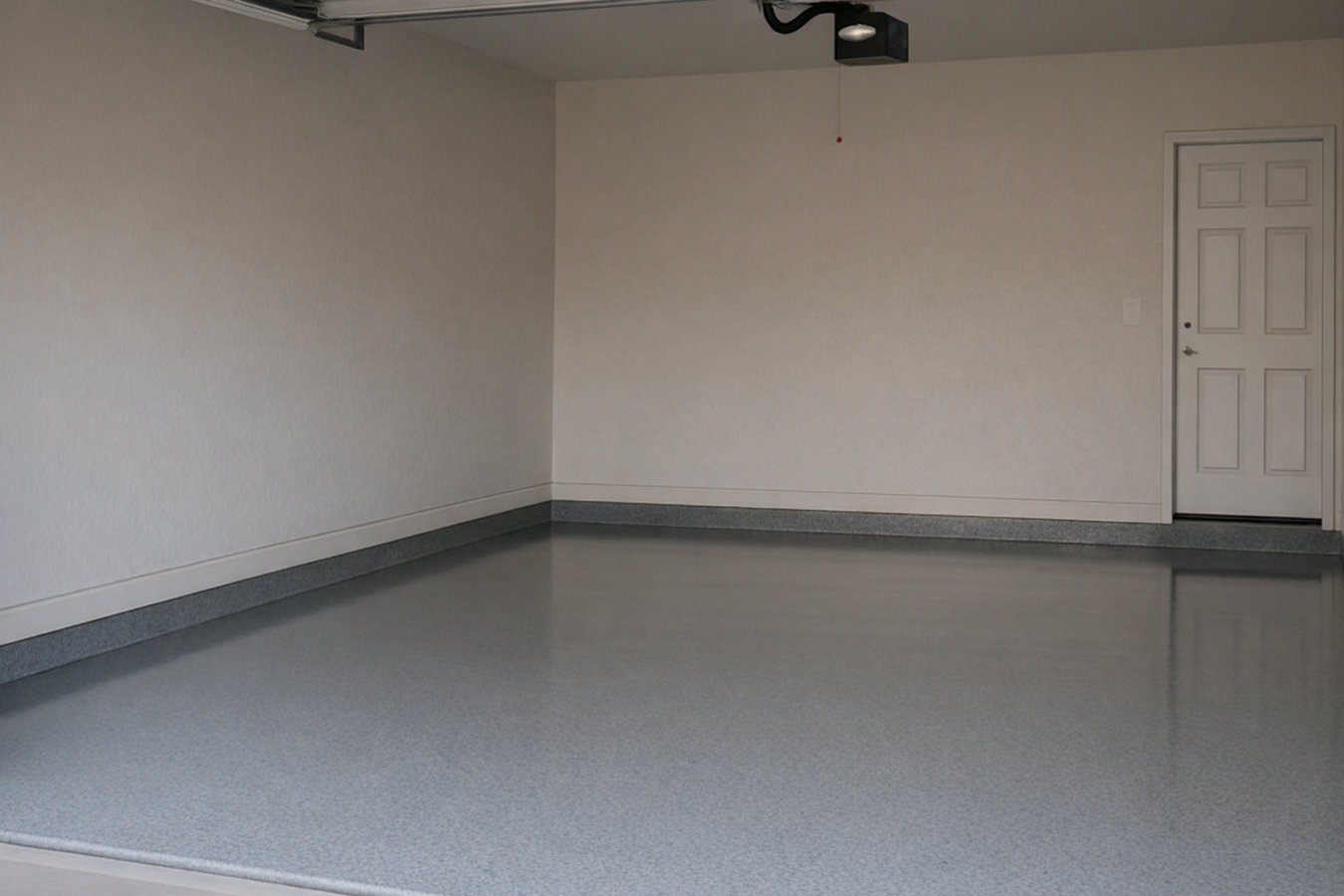
A lot of Fort Smith homes built in the 1940s through 1960s have original basement or garage floors that have cracked and settled after decades of Arkansas freeze-thaw winters. A fresh pour on a properly prepared base gives these spaces new life and eliminates the tripping hazards that come with heaved or pitted slabs. See our full concrete floor installation service for details on what the process involves and what separates a floor that lasts from one that cracks again within a few years.
Many driveways across Fort Smith's older neighborhoods near downtown and the Arkansas River are showing serious wear after 50 or more years of hot summers, hard freezes, and minimal maintenance. Whether the slab is cracking apart or has developed low spots that collect standing water, a new pour gives you a surface that drains correctly and handles the seasonal temperature swings this part of Arkansas delivers every year.
Fort Smith properties near the Arkansas River and its network of creeks deal with drainage and slope erosion after heavy spring rains. A concrete retaining wall holds back soil that would otherwise wash down toward your foundation or driveway. Proper drainage behind the wall is essential in this area - without it, hydrostatic pressure builds up and the wall fails within a few years regardless of how solid the concrete looks on the surface.
Fort Smith's older residential neighborhoods have sidewalks that have been through decades of freeze-thaw cycles, and sections that have heaved or cracked are a liability issue for homeowners. Replacing damaged sections to current city standards removes that liability and gives your property a clean, even look in neighborhoods where long-term owners take pride in their upkeep.
Fort Smith's south and east sides have seen steady new home construction since the 1990s, and slab foundations are common across that newer housing stock. The area's moisture-prone soil near low-lying lots requires careful base preparation and grading so water does not collect under the slab and cause settling over time. Getting the pour right at the start is far less expensive than addressing movement problems after the home is built.
Entry steps on mid-century Fort Smith homes crack and shift over time as the soil beneath them moves with wet and dry seasons. Crumbling or uneven steps are a safety issue - and in a city where roughly half the housing stock is owner-occupied and long-term residents watch out for their properties, getting them replaced properly is a straightforward investment in your home's safety and curb appeal.
Fort Smith is the second-largest city in Arkansas, and a significant share of its housing was built before 1980 - many homes going back to the 1940s and 1950s. Concrete work on these older properties is not the same as working on a house built in 2005. Original slabs were often poured thin, without proper reinforcement, and on ground that was never prepared to modern standards. When you add 60-plus years of Fort Smith winters - with January lows regularly dropping into the mid-20s and freeze-thaw cycles that crack concrete from the inside out - the result is a lot of driveways, garage floors, and exterior flatwork that needs serious attention. The city's proximity to the Arkansas River means some lots also deal with drainage issues that keep the ground wet longer after rain, adding to the stress on any concrete sitting on saturated soil.
Fort Smith summers make the other end of the calendar equally demanding. Average July highs regularly reach 95 degrees, and that heat combined with humidity stresses any fresh concrete that is not poured correctly. Mix that was not designed for this climate can lose surface strength within a few years. The freeze-thaw damage in winter and UV stress in summer are why concrete work in Fort Smith rewards hiring someone who knows the local conditions rather than someone applying a one-size-fits-all approach from a region with milder weather. A well-prepped base, the right mix design, and proper joint placement mean the difference between a slab that holds for 30 years and one that needs patching every spring.
Concrete projects in Fort Smith require permits through the Fort Smith Development Services department, which handles building permits for new slabs, garage floors, and retaining walls over four feet. We know the current submittal requirements and typical review timelines, so we build that lead time into the schedule from the start rather than discovering it mid-project.
The two sides of Fort Smith have distinctly different housing profiles. Older neighborhoods near downtown and along the river - the areas you find near Creekmore Park or heading toward the Fort Smith National Historic Site - are full of brick and wood-frame homes from the 1940s and 1950s, many of which have original concrete that has never been replaced. The south and east sides are a different story: newer subdivisions on flatter ground with slab-on-grade homes from the 1990s and 2000s. The older areas typically need more sub-base work because the original ground prep does not meet current standards.
We also serve the neighboring city of Van Buren, AR, which sits directly across the Arkansas River from Fort Smith and shares much of the same river-adjacent drainage challenges and older housing stock. If you have a project on either side of the bridge, we cover both cities.
Reach us by phone or through the contact form and describe what you need. We reply within one business day and schedule your on-site estimate from there.
We come to your property, assess the existing condition, check what is underneath the current slab if applicable, and give you a firm written quote. For Fort Smith homes built before 1980, we often find the sub-base needs more prep work than the visible surface suggests - we tell you that up front so there are no surprises on cost. You do not need to be home for this visit if you give us access.
We handle the permit application with Fort Smith Development Services and schedule the pour once it is approved. Prep work covers demolition, gravel base compaction, and any drainage grading needed - this is where the long-term quality of the slab is decided. The pour itself usually takes one day.
After the pour, the surface needs 24 to 48 hours before foot traffic and about a week before you drive on it. We coordinate the city inspection, walk the finished work with you, and do not call the job done until you are satisfied with what you see.
We serve Fort Smith and the surrounding Sebastian County area. Call us or send a message and we will get back to you within one business day with a free estimate.
(479) 485-4698Fort Smith is the second-largest city in Arkansas, with a population of around 89,000. It sits on the Arkansas River at the Oklahoma border, which has shaped both its history and its neighborhoods. The older parts of the city - particularly the areas near downtown and the river - are home to established residential blocks with brick and wood-frame homes built from the 1920s through the 1960s. These neighborhoods surround landmarks like Fort Smith National Historic Site and the city's well-known parks. Creekmore Park, one of the largest city parks in Arkansas, anchors the residential character of the west side. The south and east sides of Fort Smith have expanded steadily since the 1990s, with ranch-style and traditional homes in newer subdivisions on flatter, drier ground.
Fort Smith has a stable, working-class economy built around manufacturing employers like Rheem Manufacturing and the ArcBest Corporation headquarters, along with a large healthcare and education sector. That stability means homeowners here tend to stay put and invest in their properties over the long haul rather than flipping or renting short-term. The city has an approximately even split between owner-occupied and renter-occupied housing, which means both long-term homeowners and landlords managing older rental properties are regular clients for concrete work. We also cover the neighboring community of Van Buren, AR, just across the river, and the communities to the west including Russellville, AR.
Durable concrete driveways built to withstand heavy use and Arkansas weather.
Learn moreCustom concrete patios designed to extend your outdoor living space beautifully.
Learn moreDecorative stamped concrete that replicates stone, brick, or tile at a lower cost.
Learn moreSafe, smooth concrete sidewalks installed to code for residential and commercial properties.
Learn moreHard-wearing garage floor concrete poured and finished to handle daily vehicle traffic.
Learn moreStained, polished, and textured concrete finishes that enhance any surface.
Learn moreStructurally sound concrete retaining walls that control erosion and grade changes.
Learn moreProfessional concrete floor installation for basements, warehouses, and commercial spaces.
Learn moreSlip-resistant concrete pool decks built for safety, comfort, and curb appeal.
Learn moreSolid concrete steps and stoops constructed with proper slope and safe dimensions.
Learn moreMonolithic and post-tension slab foundations poured with precision and proper reinforcement.
Learn moreFull foundation installation services for new construction residential and commercial builds.
Learn moreHeavy-duty concrete parking lots designed for high traffic and long service life.
Learn moreCorrectly sized and reinforced footings that support decks, additions, and structures.
Learn moreFoundation raising and leveling to correct settling and restore structural integrity.
Learn morePrecise concrete cutting for control joints, utility access, and demolition work.
Learn moreServing these cities and communities.
Fayetteville Concrete serves homeowners and property owners throughout Fort Smith and Sebastian County. Get a free estimate with a reply within one business day.