Loading...
Serving Fayetteville, AR and surrounding areas. (479) 485-4698
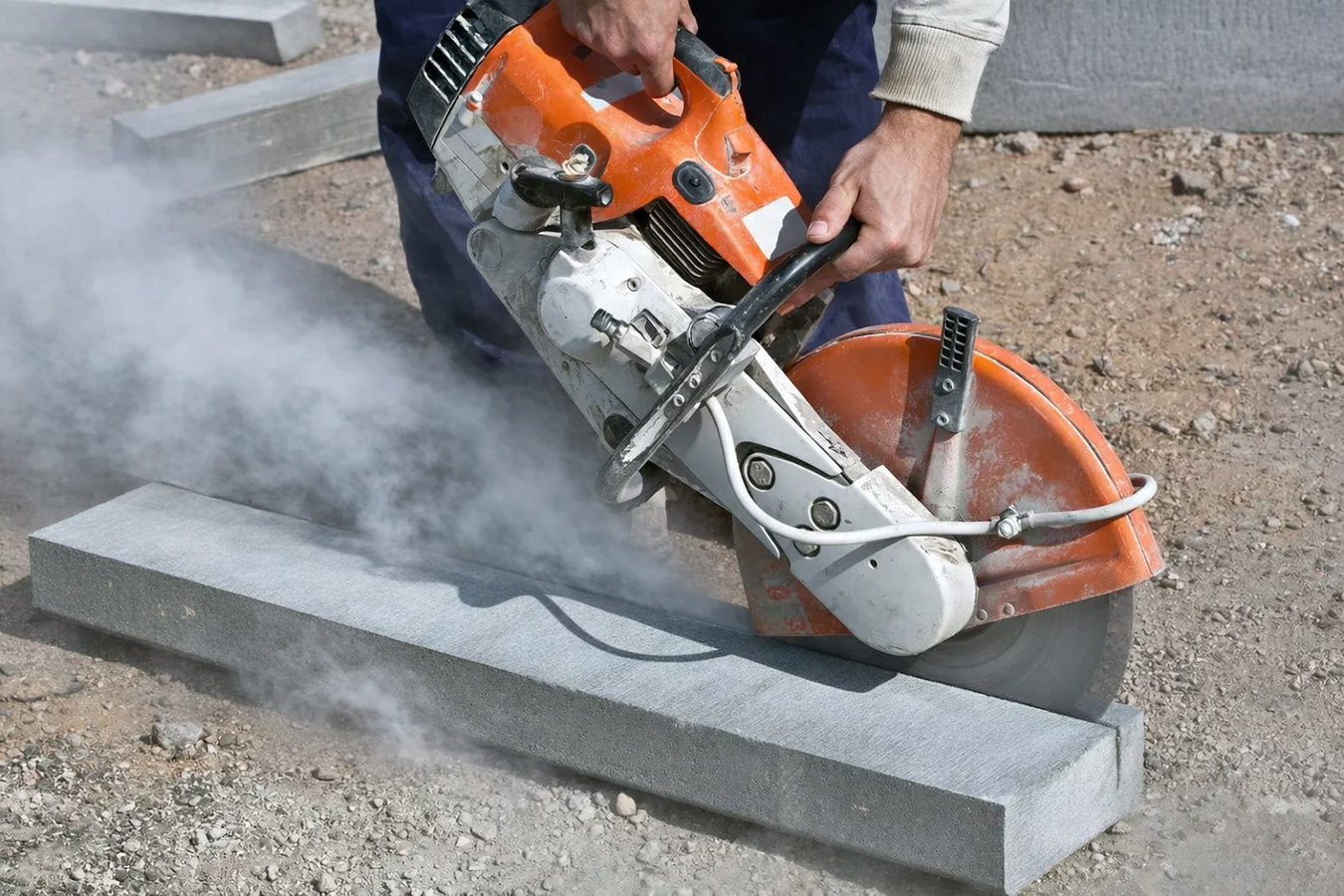
Floor drains, utility trenches, damaged section removal - when you need concrete sliced cleanly without tearing out more than necessary, a diamond saw is the right tool. We cut, contain slurry, and clean up so the rest of your slab stays intact.
Concrete cutting in Fayetteville uses specialized diamond blade saws to slice through existing concrete cleanly and precisely, creating openings for drains, utility lines, doorways, or removing damaged sections without tearing out an entire slab - most residential jobs are completed in a few hours, with the actual cutting often being faster than setup and slurry cleanup. A saw cut leaves a smooth, straight edge that is much easier to patch or work around than a jagged break, and because saws do not create the vibration that jackhammers do, they protect the surrounding concrete you want to keep. For most homeowner projects in Fayetteville - adding a floor drain, cutting a control joint, or removing a settled section before repair - a saw is the right tool.
Most concrete saws use water to cool the blade and keep dust down, which creates a gray muddy slurry that spreads across the work area. A good contractor contains and removes this slurry before leaving - if it dries on your driveway or floor, it is difficult to clean and will stain permanently. Before any cutting starts, a contractor is required to contact Arkansas 811 so underground utility lines get marked. This protects your gas, water, and electrical lines from being accidentally hit. If the project also requires a new driveway or a floor installation, we coordinate cutting and pouring under the same timeline.
The Concrete Sawing and Drilling Association sets industry standards for safe concrete cutting practices, and OSHA requires contractors to control silica dust during cutting to protect workers and homeowners - water suppression is the standard method used in residential work.
If you have a crack in your driveway or patio that was a hairline last year and is now wide enough to fit a coin, Fayetteville's freeze-thaw cycle has likely been at work. Cracks that are widening or have uneven edges - where one side sits higher than the other - are past the point of simple filler. Cutting out the damaged section cleanly is the right next step before the crack spreads further across the slab.
If you are finishing a basement, converting a garage, or simply want a drain in a space that does not have one, concrete cutting is how that drain gets installed. There is no way to add a floor drain without cutting through the existing slab. This is one of the most common planned reasons homeowners in Fayetteville schedule concrete cutting work - the cut is part of a larger remodel or improvement project.
Fayetteville gets significant spring rainfall, and if water is sitting against your foundation rather than draining away, it may be time to cut a drainage channel or trench into the surrounding concrete. Standing water near a foundation is one of the most common causes of basement moisture and long-term structural problems in this area. If you notice puddles forming in the same spot every time it rains, that is a clear signal to call.
If a plumber or electrician has told you they need access beneath your concrete floor, concrete cutting is how they get there. This comes up during bathroom additions, HVAC upgrades, and whole-home remodels. The cutting itself is typically a small part of the overall project cost, but it needs to be done precisely so the trench lines up with where the new line will run.
We perform residential concrete cutting in Fayetteville for floor drain installations, utility trenches, control joints, doorway openings, and damaged section removal. Every job begins with a site visit before we quote - we measure the cut length, check for anything that could complicate the work like rebar or limited equipment access, and confirm whether a permit is needed for your specific project. We call Arkansas 811 before any cutting starts to have underground utility lines marked, and we handle all slurry containment and cleanup before we leave. If the cut is part of a larger job like a driveway replacement or a new floor, we coordinate both scopes so scheduling and city inspections align.
Fayetteville's clay-heavy soil and freeze-thaw cycles put ongoing stress on concrete slabs, which is why cracked and heaved sections are common here. When you need a damaged section removed cleanly before patching, cutting is the right first step - but the underlying soil condition should be addressed at the same time, or the new patch will move again within a few years. We flag this during the site visit and recommend addressing the base before the new concrete goes in. Patching after cutting is quoted as a separate scope, so you know upfront exactly what is included.
Suited for adding floor drains to garages and basements, and cutting trenches for plumbing, electrical, or HVAC lines that need to run beneath existing slabs.
For adding expansion joints to driveways, patios, or garage floors to control where cracks form as the slab moves with seasonal soil changes - this is preventive work that extends slab life.
Works for cutting out cracked, heaved, or settled sections of driveway, patio, or walkway cleanly before patching - produces a straight edge that is easier to repair than a jackhammer break.
For cutting through foundation walls or basement floors to create new doorways, window openings, or access points - typically part of a larger remodel or addition project.
Fayetteville's rapid growth over the past two decades means the city has a wide range of slab ages and conditions - brand-new subdivisions alongside neighborhoods with concrete poured in the 1960s and 1970s. Older slabs in areas like Wilson Park and Dickson Street may contain rebar that complicates cutting and adds to cost, while newer slabs in fast-built developments sometimes have inconsistent thickness. Parts of Fayetteville also sit over shallow limestone bedrock, which can appear just a few feet below the surface in some neighborhoods. If your project involves cutting a trench for a utility line or a deeper opening, a contractor may encounter rock sooner than expected. This is not common for standard slab cuts, but it is worth mentioning during your estimate if you know your yard has rocky soil - it can affect both timeline and cost.
Fayetteville's clay-heavy soil shifts with the seasons, swelling when wet and shrinking when dry. This movement is one of the most common reasons driveways and patios crack and shift here. When a damaged section needs to be cut out and replaced, the underlying soil condition should be addressed at the same time - otherwise the new patch will move again within a few years. Homeowners in Bentonville and Springdale deal with the same Northwest Arkansas clay conditions, and we serve both communities with the same site-visit-before-quoting approach and full slurry cleanup that Fayetteville homeowners receive.
When you call, we ask a few basic questions: what you are trying to accomplish, roughly where the cut needs to go, and whether you know how thick the slab is. Some contractors can give you a ballpark range over the phone, but we prefer to see the site before committing to a firm price. This first conversation usually takes 10 to 15 minutes and costs you nothing.
We come out to look at the slab, measure the cut length, and check for anything that could complicate the job - rebar, nearby utility lines, or limited access for equipment. This visit is also when we confirm whether a permit is needed for your specific project. You receive a written estimate that spells out exactly what is included: cut length, depth, slurry removal, and whether patching is part of the scope.
Before any cutting starts, we contact Arkansas 811 - the state's dig-safe service - to have underground utility lines marked. This is not optional, and we handle it automatically. You may see small colored flags or paint marks appear in your yard a day or two before the job. These marks show where gas, water, and electrical lines run so the crew knows exactly where it is safe to cut.
The crew arrives with a concrete saw, water supply for dust control, and equipment to contain the slurry. We make the cuts according to the plan and manage the wet slurry as we go. Most residential cuts are completed in a few hours. The saw is loud - plan for noise similar to a large angle grinder - and you should keep children and pets inside during cutting. We remove all slurry before leaving and walk the finished cut with you.
We come out, measure the job, check for complications, and give you a written quote with no pressure. You compare it to other bids and decide when you are ready.
(479) 485-4698Hitting a buried water line or electrical conduit is the kind of mistake that turns a $400 cutting job into a $4,000 emergency repair. We contact Arkansas 811 before every job, confirm all markings with you, and do not start cutting until we are certain of what is below the slab. What this means for you is that the job ends the way it started - with no unexpected damage to your home.
Concrete cutting creates a wet gray slurry that stains and hardens fast if it is not cleaned up properly. We contain and remove all slurry before we leave - your driveway or floor will look like a job site while we are working, but it will be clean when we go. What this means for you is that your neighbors will not know we were there by the gray stain we left behind.
Arkansas requires contractors to be licensed through the Arkansas Contractors Licensing Board, and you can verify our license number on the Board's website in under two minutes. Fayetteville requires permits for many concrete cutting projects tied to plumbing, drainage, or structural work. We pull the permit, schedule the inspection, and keep you updated so you are never left wondering why work has paused.
Concrete patched in the wrong season can crack before the first hard freeze. We schedule work during the windows - typically late spring through early fall - when new concrete has the best chance to cure fully before the freeze-thaw cycle starts again. What this means for you is that the money you spend on this repair is not undone by the first cold snap.
Concrete cutting in Fayetteville is one of those services where the difference between a good contractor and a poor one shows up months after the job is done - in a patch that holds versus one that cracks, in a gray driveway stain that never came off, or in a utility line strike that turned a simple repair into a major problem.
After a damaged section is cut out cleanly, a new driveway pour restores the surface with proper base prep and grading for long-term stability.
Learn moreFor garage and basement floor projects where cutting creates access for utilities, a new floor installation completes the project with a level, properly cured surface.
Learn moreWe will come out, measure the job, explain what is involved, and give you a written quote you can trust. No pressure, no surprises.